
























Background
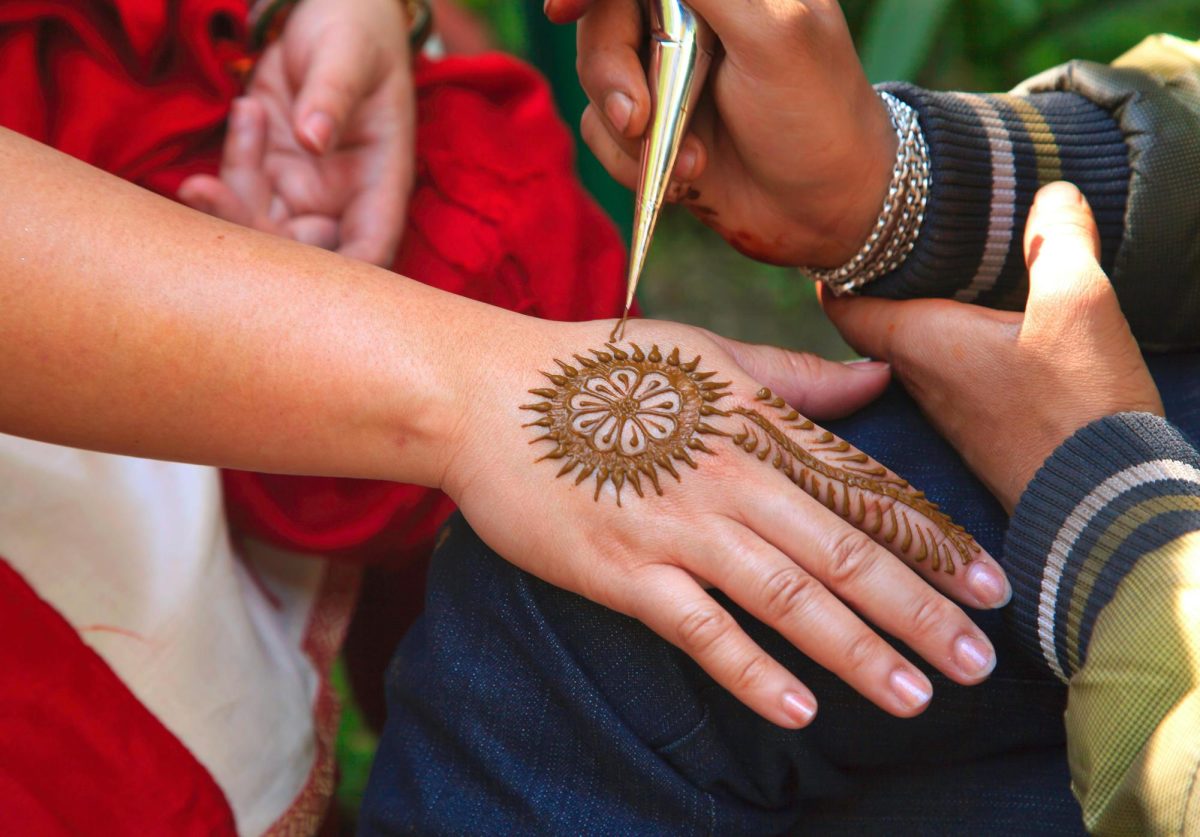
Have every noticed someone with patterned brown paint on their hands and arm? Those aren’t tattoos but are in fact an ancient form of adornment called henna. According to the British Museum of Natural History, the origin and history of henna isn’t well-recorded but there is evidence showing the plant being used during Babylonian time (roughly between 1894-539 BCE). One of the earliest uses opens a new window of henna can be dated back to Ancient Egypt, where henna paste was used to stain mummies and mummy wrappings. The Egyptians believed henna retained a person’s spirituality. Henna is a symbol of joy in many religions, including Islam, Christianity, Judaism, Buddhism, Hinduism and Sikhism. Events based around weddings, births, circumcision and victories are often celebrated with mehndi. Henna comes from a plant called Lawsonia inermis. People have believed that the plant originated in the Middle East and North Africa, and then spread across Asia thousands of years ago. Lawsonia inermis was used for medicine and art. Today Henna is still used as a coolant in countries where summers are hot ‘Henna paste would be smeared over soles of feet or on hair cools the body part as it dries. This practice later led to staining the skin, hair, nails and clothes for art, fashion, status and symbolism.
TCA 10th grader Bashayer Ali is from Yemen where henna is part of her traditions and culture. When asked about her feelings about henna, Ms. Ali said “I feel proud since it represents my country and people. My favorite thing about Hanna is the multiple design styles and colors you can choose.”
How to Use Henna
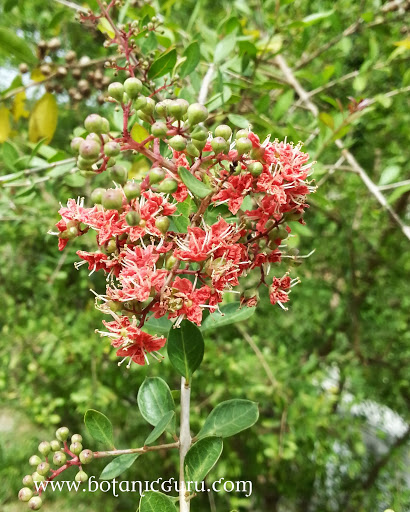
To make henna paste you need to crush the leaves, stems and flowers of the plant are crushed into a fine powder and mixed with water. The plant contains a copper-colored dye molecule called lawsone, which is found in high concentration in the leaves and stems. Lawsone is released slowly when the leaves and stems are crushed, and bind to protein, creating a stain on the skin, hair and nails. That is how you get the color of the henna. Color tends to be darkest on hands and feet as that is where keratin, a type of protein, is most concentrated.
In other cultures they might add different things like lemon juice, tea or essential oils are sometimes added to enhance the color or increase the longevity of the stain. Even though henna is cool people still have mixed feelings about henna, with some viewing it positively as a form of harmless, temporary body art and others concerned about cultural appropriation. Henna is easy to see on all skin tones, so its easy for any one to get henna on their body. And if you want a tattoo but don’t want it to last forever then you can use henna! It comes off in about a week depending on how much you wash that area that the henna is on.