

















Technology has always played a role in teaching and learning. But these days technology in classrooms has become an important and even controversial issue. I took a look at the most common tech tools found and schools. Here are my takes on these tools.
Online Learning
Since the COVID-19 pandemic back in 2020, online classes have become a big part of education especially. Students can now see lessons on platforms like Google Classroom and Zoom make it easy for teachers to share lessons and assignments. Teachers appreciate faster grading with this technology and students like the flexibility of an online classroom. Buy many teachers and students find online learning impersonal and the lack of human connection can actually impede learning, they say. In fact during the recent blizzard, Mayor Mamdani recently called for a “traditional” snow day, avoiding a day of online learning.
Interactive Tools
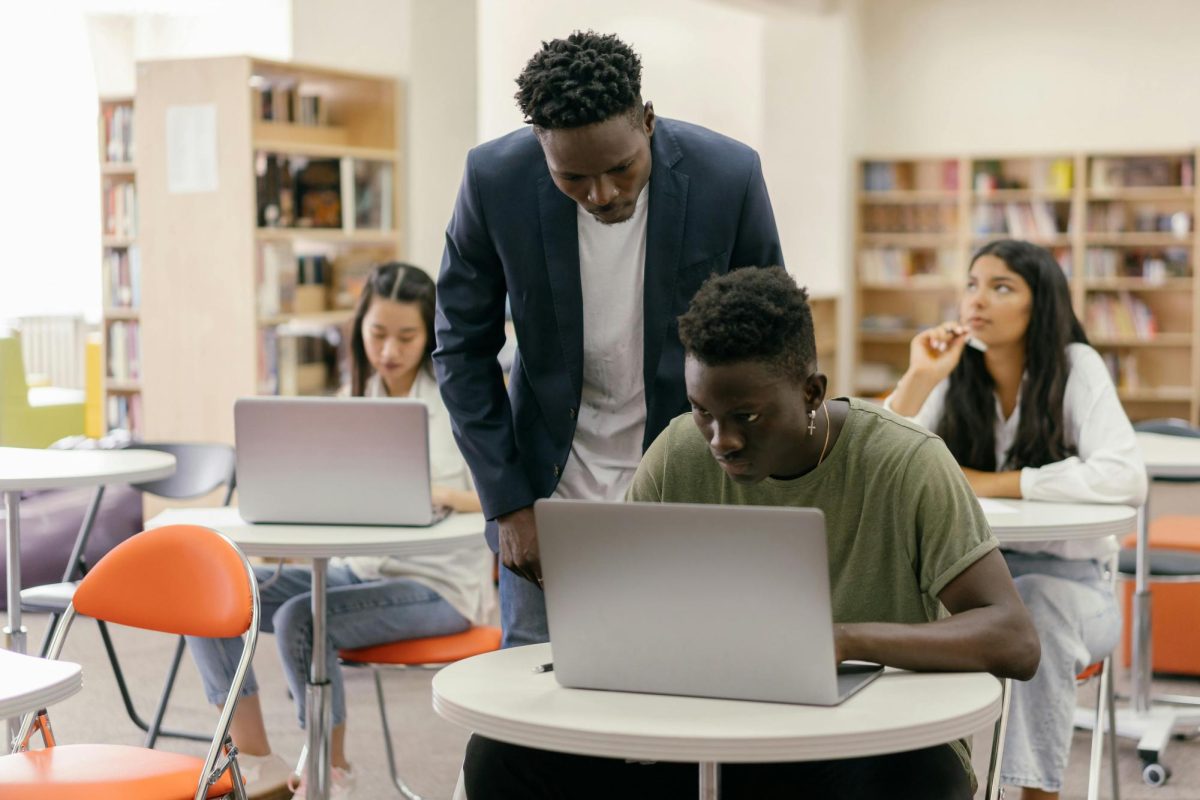
In classrooms smart boards are replacing the white boards. These digital boards let teachers show videos, display lessons, and even let students write on them. Tablets and laptops help students complete assignments and research quickly. There’s no doubt that smart boards and laptops can be useful learning tools, but too much screen time can hold back human to human discussion. It’s important for teachers to occasionally plan activities and even whole lessons without tech.
Overall
While technology can make learning easier and faster it also has some downsides. Not every student has access to a computer or the internet at home which can be unfair and even in school the internet can be slow and interrupt a lesson which can be annoying and irritating. Also, spending too much time on screens can cause eye strain and make it harder for students to focus. Plus, relying too much on technology can sometimes make learning feel less personal, as students might miss the social interaction that happens in traditional classrooms and also might use AI to do assignments.

The Future of Education
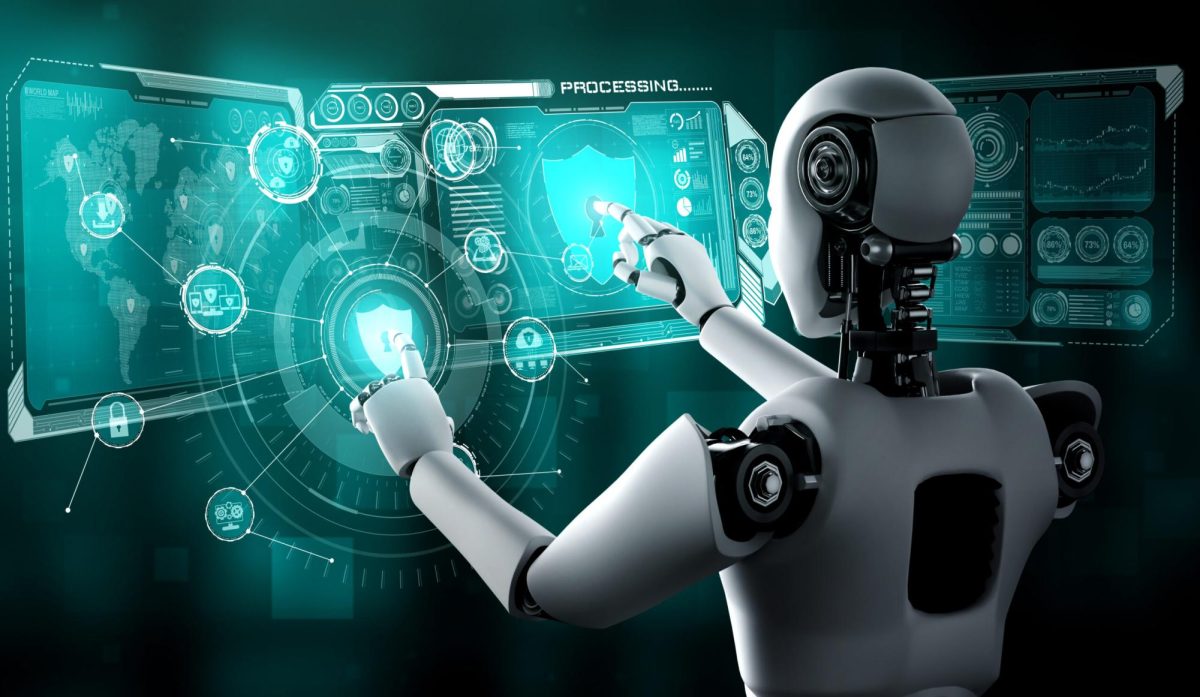
As technology gets better we may see even more cool tools in classrooms like AI that helps track student progress or robots that assist with lessons. How we use AI in classrooms will be an important conversation going forward.
Conclusion
Technology is changing how we learn making it more efficient and easier to do. However, we must balance the benefits with the downsides to make sure all students can learn effectively and stay connected with each other.
I asked my Economics teacher Danielle Sweetser about her opinion and questions on technology.
First Question I asked was how AI tools like ChatGPT affecting homework and assessments?
She said “ For students, it’s really challenging because I think students don’t really know how to use AI, like ChatGPT, as a tool to help them. Versus as something that can just give them the answers. Because I think ChatGPT, AI, all those tools are great. (0:41) Like I use them. But you use them as a tool, right? But, you know, it’s, I would say at this point in time, it’s hurting students more than it’s helping. Because if you don’t know how to use it as a tool and you’re just using it to do all the brain work for you, you know, it’s not helping.”
Second Question I asked what are the biggest advantages of using technology in your classes?
I would say that the biggest advantage probably comes with differentiating instruction for students who might have different needs than maybe an average or typical student. So, you know, there’s just some things, when you’re teaching a classroom full of 25 kids, it can be hard to meet the needs of every student. But there’s so many different tools online that can help a student, like reading a louder text or translating something right in the moment or finding synonyms or defining words as students are reading. So there’s a lot of students who can benefit from that, from those tools. So I think that’s the biggest benefit, as in from a teacher’s perspective.
My third question is, what are the biggest challenges technology brings to teaching?
I think, like with every new development in education, it’s a challenge for teachers to try and find the balance. Like how much is to technology? Like, we shouldn’t, I think there’s a tendency to like throw out the baby with the bathwater, where it’s like, oh, you know, let’s do everything new with technology and modernize teaching. And we always have kids on Chromebooks. And I don’t think that that’s actually the best way students learn. I think it’s a tool, it’s a supplement. I think students learn with traditional methods of teaching, like taking notes and writing by hand, like their work. So I think that there needs to be a balance. So like how often we’re pulling out technology.
My Last question, if you could choose, what role should technology play in education?
Just a supportive role. Like, I don’t think that it should replace traditional teaching methods. I don’t think that students should be spending most of their time in front of a Chromebook. I think most of the time should be spent in a traditional sense. That’s my view. I mean, there’s a lot of people who disagree with this idea. But just as someone who’s taught in both settings, like I used to teach at a school that had no technology, like no Chromebook usage at all. And I felt like students were more engaged in learning. And Chromebooks can bring a lot of distractions. Like, it’s really tempting. I mean, it’s hard. Like, we’re asking the students to have so much self-control when they use technology. There’s a reason why we don’t want your phones in the building, because even just having it in your pocket is so tempting. Having the computer in front of you, it’s just really hard to focus on the tasks that you’re meant to be doing. So I don’t think that we should stop using technology. But I think we should reflect on the balance. (3:48) Just my opinion.